There’s a moment about eleven minutes into a roast — it’s called "first crack" — when green coffee beans start popping like tiny popcorn. If you’re paying attention, it tells you exactly where in the process the bean is, what flavors are developing, and how much longer you have before you’ve either made magic or made charcoal.
At Jenkies Joint, we roast every single bean we serve. Not because we have to — Central Pennsylvania has some perfectly good regional roasters — but because a small-batch approach lets us do three things large roasters can’t: choose beans by the harvest, roast to order, and taste-test every single batch before it hits the espresso machine.
Why "Small Batch" Actually Matters
The commercial roasting industry moves a lot of coffee. A typical mid-size roaster might process 500–1,000 pounds per hour on a continuous drum roaster. That’s efficient. It also means the last pound of your bag was roasted three months ago, sitting in a warehouse, quietly losing its aromatic oils to time.
We roast in 12-pound batches on a modified 1980s Diedrich IR-12. It takes about 14 minutes per batch. In a full day, we’ll do six to eight batches — enough to serve the café for the week. Every bag of Signature Blend sold at the register was in green form on Monday and in your cup by Saturday.
The difference between a two-week-old bean and a two-month-old bean is the difference between a hug and a handshake — you’ll take either, but only one is memorable.
The Three Windows Of A Roast
Every roast passes through three sensory phases. Understanding them is 80% of what makes coffee taste like something instead of like brown water.
- The drying phase (0–5 minutes): the bean loses moisture. It smells grassy, hay-like. Nothing interesting is happening yet — but if you rush this phase, the outside of the bean scorches while the inside stays raw.
- The Maillard phase (5–9 minutes): sugars and amino acids react. This is where the aroma starts to smell like bread, then toast, then caramel. The bean turns from green to yellow to tan.
- First crack & development (9–14 minutes): the bean cracks audibly, cellular walls rupture, oils migrate outward. This is where flavors are set. Stop too early and it’s sour and grassy; stop too late and you’re drinking a campfire.
How We Choose Beans
Every three months Amanda tastes 20–30 samples from different importers. We buy from two: Cafe Imports (Minneapolis) and Genuine Origin (Denver). Both provide traceable, farm-level lots — which means we know not only the country of origin but the specific farm, elevation, varietal, and processing method.
Our current lineup:
- Signature Blend base: 60% washed Colombian Huila (bright, chocolatey), 30% natural Ethiopian Yirgacheffe (floral, berry), 10% Sumatra Mandheling (earthy, deep). Blended after roasting, never before.
- Single-origin rotator: whatever’s exceptional at the moment. Right now: a Guatemalan Huehuetenango with a startling green-apple sparkle.
- Decaf: Swiss Water Process Peruvian — chemical-free decaffeination.
The Science, In Plain English
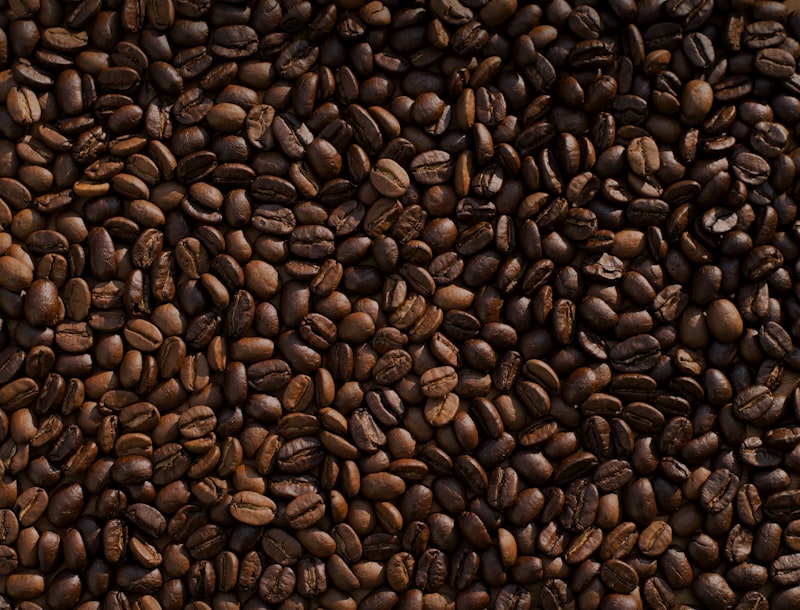
Coffee’s flavor comes from about 800 volatile aromatic compounds. Most of them are created during roasting — they don’t exist in the green bean. This is why "specialty coffee" is a real thing: what happens during those 14 minutes literally makes or unmakes the flavor.
Here’s the important part: those aromatic compounds are volatile. Meaning they evaporate. Meaning coffee is a fresh product with a real shelf life — about three weeks from roast date, if kept sealed and cool. Anything older is still coffee. It’s just not the coffee it was.
The "Rest" Period
Freshly roasted coffee actually tastes bad for the first 48 hours. The CO₂ trapped inside the beans is still degassing, and it makes the cup taste flat or metallic. Wait 3–5 days and the flavors bloom. Peak drinkability is roughly days 5–18 after roast. This is why every bag of ours has a roast date printed on the bottom — and why we sometimes tell you "come back Thursday" for a specific single-origin.
What This Means For Your Cup
When you order a drip Signature Blend at 7 a.m., here’s what actually happened:
- The beans were grown at 1,500 meters in Huila, Colombia, on a farm called El Diviso.
- They were shipped as green beans in April.
- Amanda roasted this batch nine days ago at 434°F, pulled at 12:42.
- They rested in an airtight bin for a week.
- Eric ground them to a medium-coarse setting seven minutes ago.
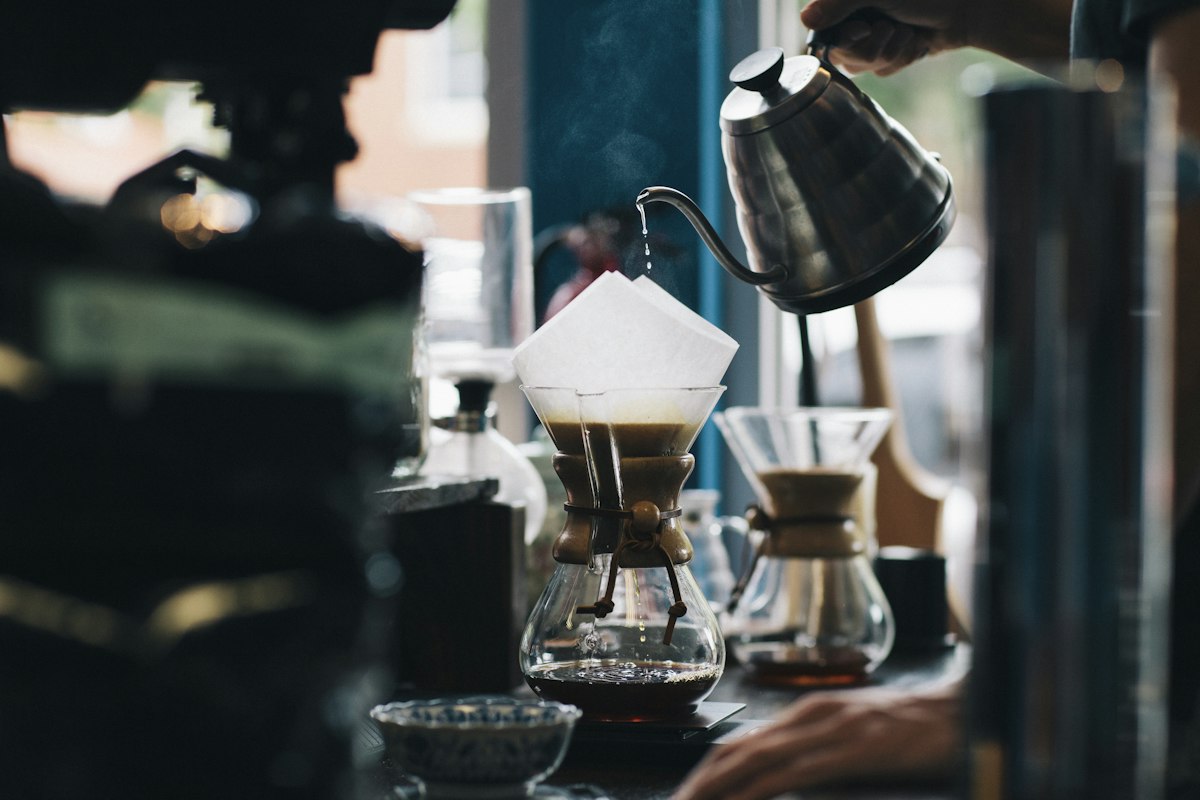
- The water was 199°F. The dose was 60 grams per 1-liter batch.
- The brew ratio produced a target yield of 1.32:1, which for a drip means it tastes like coffee is supposed to taste.
That’s a lot of specificity for what looks like a plain cup of joe. But that’s the whole point of small-batch. The details are the flavor.
The Espresso Difference
For espresso we run a slightly darker roast — pulled about 40 seconds past first crack, versus 20 seconds for drip. Espresso needs the extra body and sweetness from a deeper Maillard reaction. Our espresso Signature Blend is 70% Brazilian natural (creamy, nutty) and 30% Ethiopian for brightness. It pulls a 22-gram double in 27 seconds and it’s dialed in fresh every morning.
Try This At Home
You don’t need a $2,000 setup to brew great coffee. Three things move the biggest needles:
- Buy whole bean, grind fresh. A $50 burr grinder outperforms almost any pre-ground bag from a supermarket.
- Use the right ratio. 60 grams of coffee per liter of water is the international "gold cup" standard. Weigh your coffee, or use two heaping tablespoons per 8 oz cup.
- Mind your water. Coffee is 98% water. If your tap water tastes off, your coffee will too. Filtered water improves any cup instantly.
Or, if all that sounds like too much on a Monday morning, come see us at 368 Pine Street. We’ve already done the work — and there’s a biscuit waiting for you.