Two miles from our kitchen door, up a hill lined with sycamores, sits a small dairy and produce farm called Paul Family Farms. Three generations of the Paul family have worked this land since 1962. In 2019 we signed the paperwork that made them our primary supplier. Here’s why that decision changed everything, and why "farm-to-table" isn’t a marketing term for us — it’s a two-mile drive.
Meet The Pauls
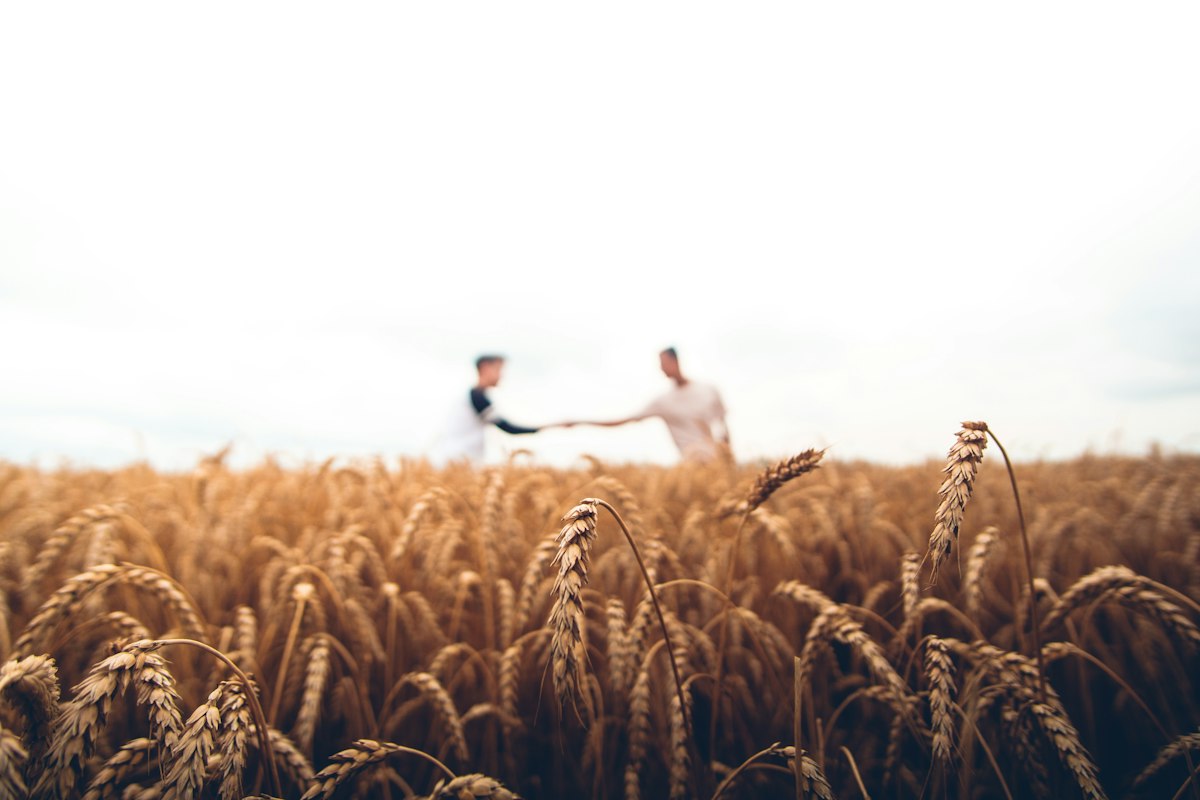
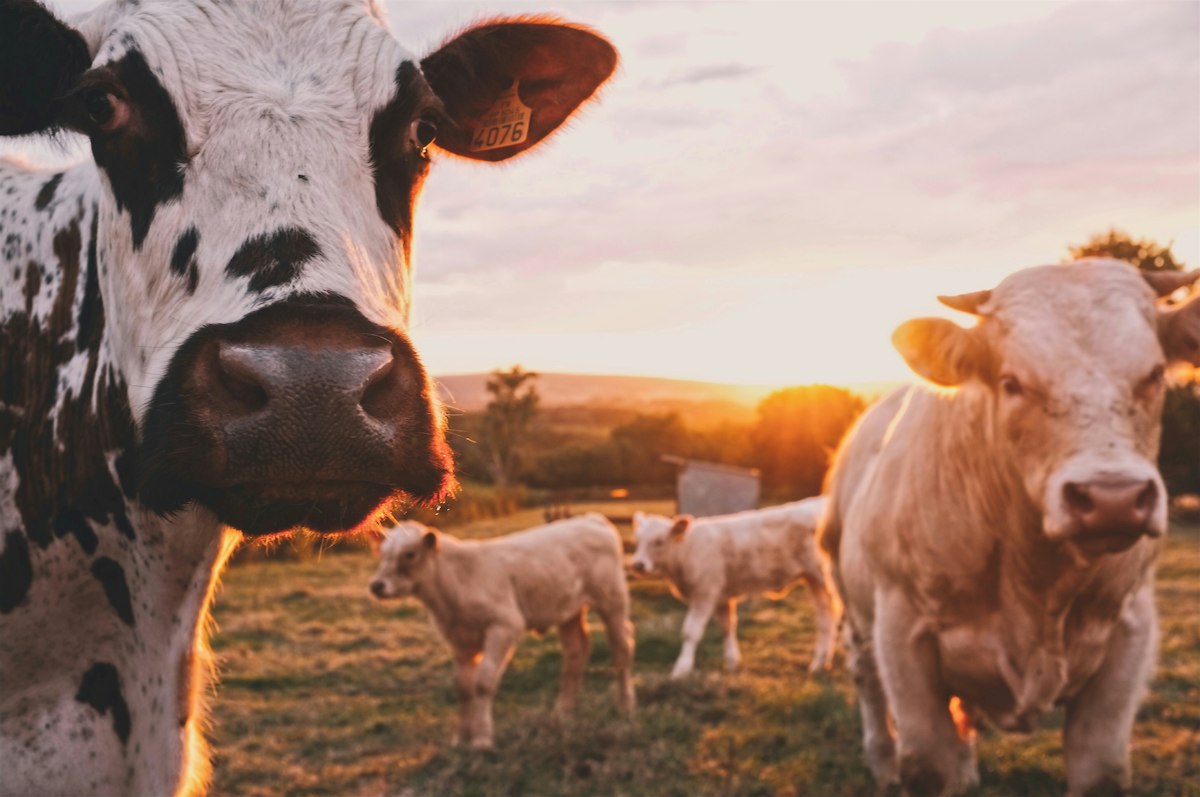
Rita and Douglas Paul run the farm with their son Jeremy and daughter-in-law Kim. Rita handles the dairy (28 Jersey cows, milked twice daily). Douglas handles the fields (12 acres of vegetables, 3 acres of herbs, half an acre of berries). Jeremy raises the pigs and chickens. Kim does the books, the deliveries, and — as she’ll insist — "the actual hard work."
They’re a small operation by any measure. Rita’s dairy herd is one-tenth the size of a typical PA commercial dairy. Their vegetable acreage would fit inside a modest cornfield. What they lack in scale they make up in reputation: their eggs won the county fair blue ribbon five years running.
The pigs at Paul Family Farms live better than most middle managers.
How The Partnership Started
Amanda and Eric had been buying eggs at the farmer’s market from Kim for about a year. One July afternoon in 2019, Eric asked her point-blank: "Would you be willing to be our supplier?"
Kim thought about it for a full week. She called back and said: "I can commit to 15 dozen a week, whole milk for the espresso bar, and whatever produce we have that fits your menu. If you commit to buying whatever we bring, we have a deal."
Eric said yes. He’s said yes every week since.
What Actually Arrives
Every Tuesday and Friday at 5:30 a.m., Kim’s truck pulls up behind the shop. She unloads:
- 30 dozen eggs — brown, white, and occasional blue (Ameraucana hens)
- 6 gallons whole milk — non-homogenized, pasteurized on-farm
- 2 gallons half-and-half — for lattes
- 4 lbs cultured butter — for biscuits and pastry
- 15 lbs breakfast sausage — Jeremy’s recipe, coarse-ground
- Whatever produce is in season — spring: asparagus, radish, spinach; summer: tomatoes, peppers, corn, berries; fall: pumpkins, apples, squash; winter: potatoes, onions, root vegetables.
We pay above wholesale — always. It’s not charity; it’s a working partnership. Kim quotes us a fair price, we pay it, and we adjust our menu around what she has.
Why Local Actually Matters
You hear "farm-to-table" so much these days that the phrase has calcified into a marketing shrug. Here’s what it means in practice for us:
1. Freshness you can taste
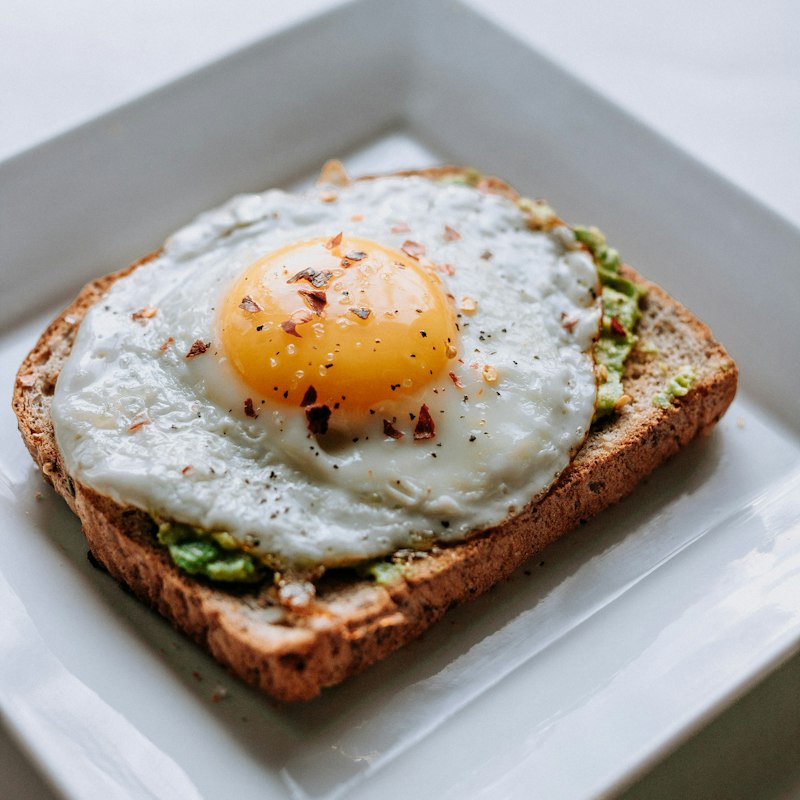
Eggs delivered Tuesday morning were laid Monday afternoon. The whites are structured — they hold their shape in the pan. Compare that to a supermarket egg, which averages 30–45 days from lay to shelf. The difference in a fried egg is not subtle.
2. Menu flexibility
Our menu changes because Kim’s does. Spring means our salads pivot to spinach and radish. Summer means tomato panini and berry scones. This forces creativity we wouldn’t have if we ordered from Sysco every week.
3. Traceability
If a customer asks where their egg came from, we can point out the window. Literally — you can see the tree line where the Paul farm sits from our front door.
4. Local economic impact
Every dollar we pay Kim gets recirculated in Orbisonia. She pays her feed bill to the local grain mill. She pays her vet bills to the county veterinarian. She pays her fuel to the station on Highway 522. It’s the multiplier effect, at a scale small enough that you can see it working.
The Buffalo Meat Pie Origin Story
Here’s a story we don’t tell often. In summer 2020, Jeremy Paul had a chicken problem — 200 broilers ready to butcher and no wholesale buyer. He asked whether we’d take them at cost. We said yes without thinking, then realized we had 200 chickens and no menu plan.
The Buffalo Chicken Meat Pie was invented in a panic. Eric spent three days developing the recipe. We tested it on 12 regulars. They loved it. We started selling it. Now the meat pie is our #1 seller and Jeremy is our chicken supplier.
A local supply problem became a menu identity. That happens only when you’re close enough to the source to say yes fast.
What The Pauls Have Taught Us
Three things, mostly:
Patience with the calendar
You can’t have strawberries in December. That’s obvious to any farmer and less obvious to any cafe operating on a Sysco order form. Eating seasonally requires the mental adjustment of accepting that some things are only sometimes.
The cost of good food, honestly
Kim’s eggs cost us $6.50/dozen wholesale. A supermarket case-of-15-dozen from a wholesaler runs about $2.20/dozen. That’s a huge markup. Our egg costs three times the industrial average. But our egg dishes taste like something. And Kim’s farm stays viable. Those two facts are more connected than people realize.
Trust as a business asset
We don’t sign contracts with the Pauls. Never have. Every Tuesday morning, Kim shows up with a truck. Every week, we pay her. That’s the arrangement. In seven years, we’ve had two missed deliveries — both because of blizzards — and both were solved with a phone call and a rescheduled drop.
Come Meet Them
The Pauls do farm tours the last Sunday of every month (April–October). $15 per person, includes lunch at their picnic table. Half the food you eat on that tour, we serve here the next morning.
You can’t taste local. But you can taste fresh. And there’s no better way to taste fresh than to eat something that was harvested, milked, or laid within a 3-day window of arriving on your plate.
Every biscuit sandwich we sell has an egg on it that was in Kim’s truck 36 hours ago. Every latte has milk from Rita’s cows. Every summer BLT has a tomato that ripened on the vine, not on a shelf. That’s the two-mile radius that shapes our menu — and, honestly, our whole business.