When we bought the laundromat side of the building in 2021, it had beige walls, fluorescent tubes, and three functioning washers out of nine. It was efficient. It was clean-ish. It had the emotional temperature of a DMV waiting room.
Amanda came home from a shift, dropped her keys on the counter, and said: "What if we painted the whole thing?"
That was the beginning of the Art Wash — the community mural, the rotating gallery, and the small idea that turned into the thing tourists now drive from three counties over to photograph.
The Original Ask
We’d been Instagram-following a local artist named Jasmine Baker for about two years. She lived in Alexandria — 45 minutes north — and she painted the kind of murals that made you feel like the wall was welcoming you personally. Bright, generous, a little strange in the right places.
Amanda cold-messaged her: "Would you paint one wall of our laundromat? We can pay $800 and all the coffee you want."
Jasmine replied: "Can I paint them all?"
What was meant to be one painting became a rotating community gallery — the surprise being how quickly a room stops being "the laundromat" and starts being "somewhere you want to be."
The Three-Week Build
Jasmine worked from 6 a.m. to 3 p.m. every day for 21 days. She showed up in overalls covered in a different color scheme each morning. The washing machines kept running — customers came in to do wash and left with paint on their sleeves, laughing.

The final piece is called "I Feel Pretty, Oh So Pretty." It’s an eight-foot-tall abstract portrait of Orbisonia rendered as a colorful daydream — impossible flowers, a train coming out of a coffee cup, three cats reading a newspaper. The train is a nod to the East Broad Top Railroad, which runs through our town. The cats are Jasmine’s.
What We Didn’t Expect
Three things happened that first month that we hadn’t planned on:
1. People started doing laundry as an activity
Before the mural, the laundromat side saw roughly 15–20 people a day, most of them running in and out. After the mural: 40–55 a day, and people stayed. They brought a book. They ordered a coffee. They sat with the laundry going and looked at the wall.
2. Kids became the biggest fans
Parents who’d dreaded taking small children to a laundromat suddenly had a "come see the cats" activity built into chore day. The mural has become a de facto scavenger hunt — Jasmine hid seventeen tiny objects in the painting, and the kids find them all.
3. Local artists started asking
Within six weeks of the unveiling, three other artists in the area asked whether they could paint too. Which is how we accidentally became a rotating gallery.
The Rotation Program
We now feature a new artist on the east wall every 3–4 months. Applications open every March; we accept 4 per year. The artist gets:
- A $600 commission plus supplies
- Free wall space (and the freedom to paint what they want, within reason)
- An opening night reception with the neighborhood
- 10% of any print sales during their run
The wall gets painted white between rotations. Jasmine’s original piece stays on the north wall permanently — that’s our anchor.
Why This Actually Works
We’ve had a few people ask us how a laundromat-art-gallery makes financial sense. The short answer: it makes better sense than a plain laundromat.
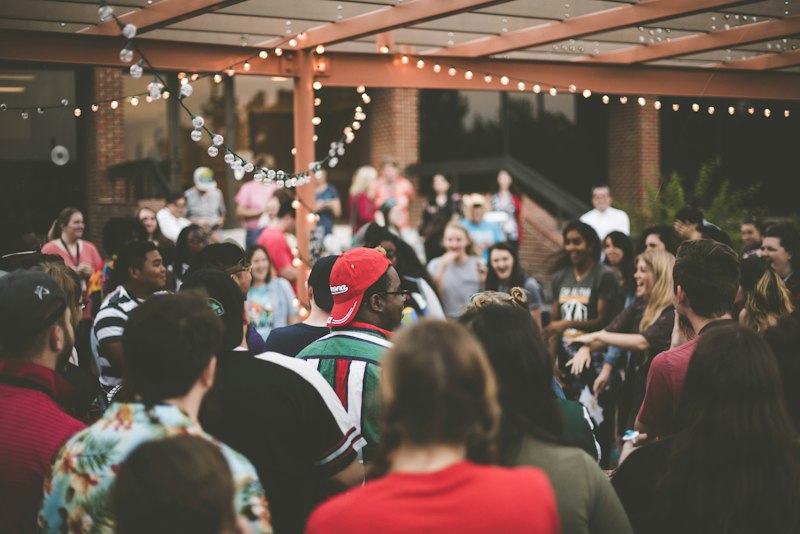
The mural cost us $2,400 total (Jasmine’s commission, paint, our labor). Laundry revenue is up 68% since we installed it. Café revenue during laundry hours is up 34%. Opening nights bring in 80–100 people; roughly a third become repeat customers. Two national publications have written about us. One resulted in the busiest single Saturday we’ve ever had.
What The Mural Taught Us About Business
Here’s the honest lesson: making a place worth being in is often cheaper than making it "more efficient." We could have added two more washers, extended hours, run a promotion. Painting a wall was the choice that grew the business.
A laundromat is a purely transactional space. So is a café, technically. But every space is a decision about what it’s asking people to do. A beige wall says: get in, do your thing, get out. A mural says: sit down, notice something, come back.
What’s Next
This spring we’re starting a monthly artist-in-residence program. One local artist per month gets a corner table, coffee for the whole month, and access to the wall. All they have to do is show up and make things where people can see them. If you’re local and interested, drop us a line.
The Art Wash isn’t going to save the world. It’s just a room where you can wash your clothes and feel taken care of. But in a small town where a lot of things are getting quieter, that’s something. And it started with three sentences and a wall.